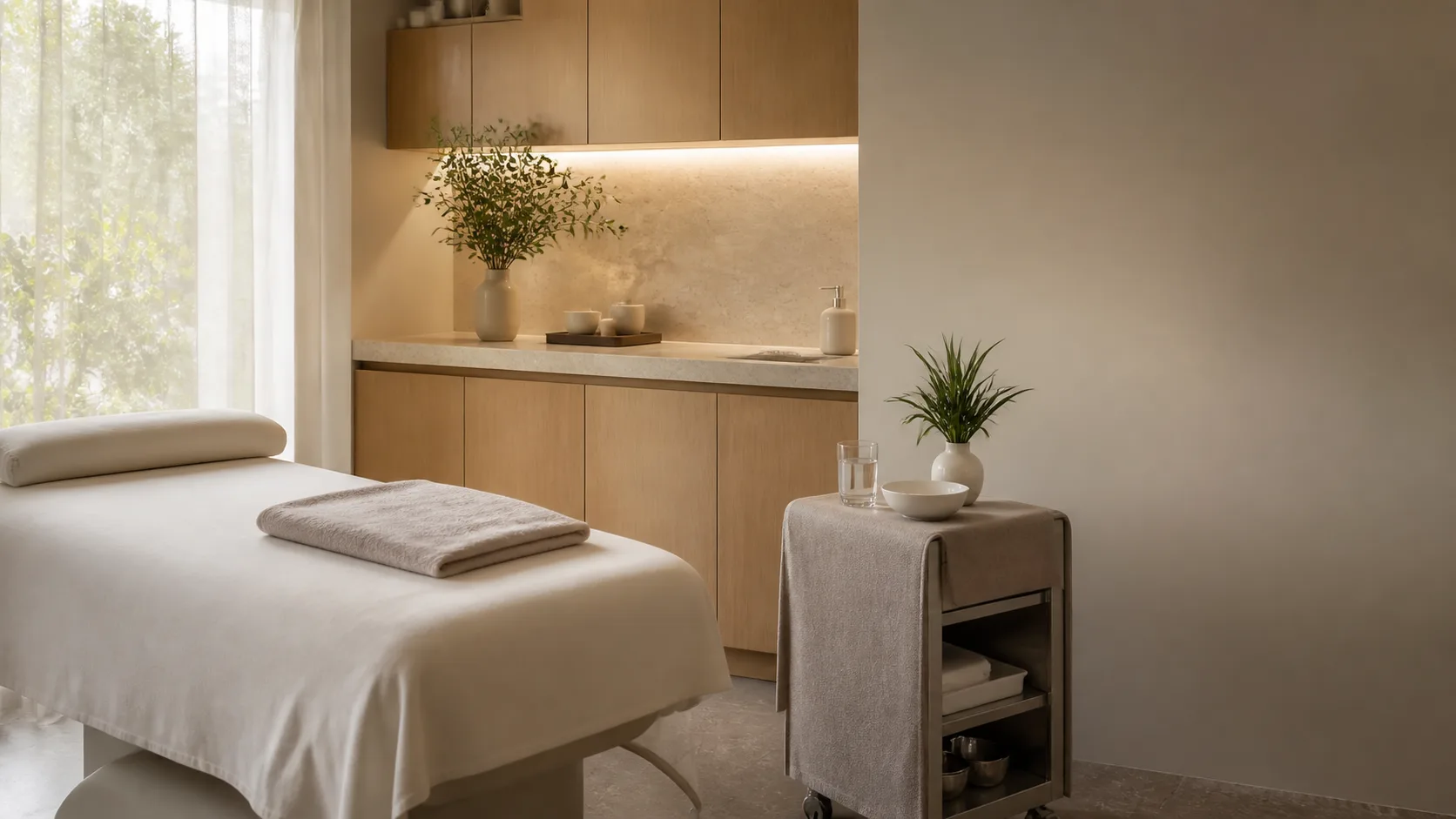
Finding Your Ideal Session: Pressure, Purpose, and Peace of Mind
Have you ever climbed onto a massage table hoping for a blissful hour of pure escape, only to find yourself gritting your teeth through intense deep tissue elbow work? 😬 Or maybe you booked a session hoping to fix that nagging, fiery knot under your shoulder blade, but your therapist spent forty-five minutes gently gliding lavender oil over your arms instead?
Choosing the right bodywork session shouldn't feel like a high-stakes guessing game. Whether you are dealing with classic "tech neck" from grueling, desk-bound hours in Northwest Washington DC or you are recovering from a brisk 10-mile weekend loop along the Capital Crescent Trail, your body has unique, non-negotiable needs.
Too many people book an appointment at random without realizing that therapeutic bodywork and relaxation sessions serve entirely different purposes. Think of it like this: a therapeutic massage is like taking your car in for a comprehensive wheel alignment and tune-up 🚗, while a relaxation massage is like taking it out on a smooth, scenic sunset cruise with the windows rolled down 🌅. A therapeutic massage concentrates on chronic trigger points, posture alignment, and muscle tension, whereas a relaxation massage calms your nervous system through gentle, rhythmic glides. Getting the results you want starts with matching your immediate physical goals to the right massage style.
At Spa Chevy Chase, our focus is on providing a quiet, unhurried, personalized spa experience where your preferences guide every minute on the treatment table. Tucked away at 4500 North Park Avenue in Chevy Chase, Maryland, our single boutique sanctuary welcomes guests traveling from Bethesda, Friendship Heights, Chevy Chase DC, and nearby neighbourhoods. We believe true physical relief happens when your therapist listens to your body instead of running through a generic, one-size-fits-all protocol. 🌿
When you step through our doors, the outside noise fades. You leave behind the honking horns of Wisconsin Avenue, the chime of corporate emails, and the endless mental to-do lists. Here, massage therapy is not a conveyor-belt luxury; it is a personalized healthcare discipline practiced with warmth, skill, and genuine human empathy.
Understanding the Difference: Focused Relief vs Pure Unwinding
The easiest way to understand massage therapy is to look at your primary goal. Are you looking to fix a specific physical issue, or do you want your mind to switch off completely? 🤔
Let's break down the mechanics behind both styles so you know exactly what your body is signing up for:
1. Therapeutic Massage: The Focused Problem Solver 🎯
Therapeutic massage is goal-oriented bodywork. If your neck feels locked after 40 hours over a laptop, your therapist won't spend the whole hour softly skimming your shoulders. They will warm the tissue, isolate tight muscle fibres, and work deep into persistent knots. It can sometimes feel intense, but it should never cross the line into sharp or counterproductive pain.
During therapeutic sessions, your practitioner acts like an anatomical detective. They examine your postural habits:
* Do your shoulders roll forward toward your chest from typing?
* Is your pelvis tilted from sitting on long Metro commutes?
* Are your hamstrings rock-hard, yanking your lower back out of alignment?
By using techniques like cross-fiber friction, myofascial release, and neuromuscular trigger-point therapy, therapeutic work breaks down adhesions—fibrous bands of scar tissue and metabolic waste that glue muscle fibers together like wet, tangled pasta 🍝. As these stubborn knots release, oxygen-rich blood rushes into the muscle bellies, restoring healthy elasticity and allowing you to turn your head over your shoulder without wincing.
2. Relaxation Massage: The Nervous System Reset 🧘
Relaxation massage, by contrast, gives your nervous system a much-needed reset. By keeping pressure light to moderate and strokes continuous, your circulation improves, heart rate steadies, and mental stress melts away. It is ideal when you feel exhausted rather than physically injured.
Scientifically speaking, a relaxation session—often based on classic Swedish massage principles—is designed to coax your autonomic nervous system out of "fight-or-flight" (sympathetic state) and into "rest-and-digest" (parasympathetic state).
When you spend weeks under chronic deadlines, your body floods with cortisol and adrenaline. Your blood pressure climbs, your breathing turns shallow, and your digestion slows down. A relaxation massage uses long, flowing strokes (effleurage), gentle kneading (petrissage), and soft rhythmic tapping to physically signal your adrenal glands to stand down. Cortisol plummets, serotonin and dopamine levels climb, and you drift into that floaty, dreamlike state known as the hypnagogic threshold. You don't just leave feeling physically loose; you leave feeling emotionally restored. ☁️
| Feature | Therapeutic Massage | Relaxation Massage (Swedish) |
|---|---|---|
| Primary Goal | Pain relief, posture correction, mobility | Stress relief, mental clarity, relaxation |
| Technique Focus | Deep tissue, trigger points, myofascial release | Long, fluid, rhythmic strokes (effleurage) |
| Target Depth | Deeper muscle layers, tendons, connective tissue | Superficial muscle layers and fascia |
| Session Sensation | Focused, deep, "good hurt" release | Soothing, gentle, hypnotic, drifting |
| Aftercare Feel | Mild soreness possible (like a good gym workout) | Total calm, relaxed, ready for deep sleep |
Deciding on Pressure: Finding What Your Body Actually Wants
A common myth is that deeper pressure always equals a better massage. That simply isn't true. Forcing deep pressure into tissue that is already inflamed or guarding against injury can actually cause your muscles to clench tighter. 🛑
Think about your body's natural defense mechanisms. If someone presses a sharp, hard object into your side without warning, what do you do? You brace, hold your breath, and tighten your core. The exact same thing happens on a cellular level when a therapist uses blunt, aggressive force before your tissues are properly warmed up. Instead of loosening, your nervous system interprets the heavy pressure as a physical attack, causing the muscle fibers to spasm into an even tighter knot.
When deciding your pressure preference, consider these factors:
- Your Daily Activity: Desk workers often benefit from medium therapeutic pressure targeting the upper back and pectoral attachments. Runners or cyclists frequently need firm, focused work on hip flexors, glutes, and hamstrings. 🏃♂️
- Sensitivity and Stress Levels: High chronic stress makes nerves hypersensitive. When you are feeling completely depleted, a firm deep tissue session might leave you feeling battered rather than restored.
- Recovery Timeline: Deep, structural bodywork requires recovery time and good hydration. If you have a formal event or high-stakes presentation later that afternoon, a soothing relaxation session is usually the wiser choice.
The Nuance of Deep Tissue vs. Therapeutic Work
People frequently use "deep tissue" and "therapeutic" as interchangeable words, but they are not identical. Therapeutic massage is an umbrella category: it describes any massage designed to achieve a clinical, functional result. Deep tissue is simply one specific technique within that toolkit.
If you struggle with chronic back stiffness or stubborn muscular adhesions, you can explore deep tissue massage at Spa Chevy Chase, near Bethesda and Friendship Heights to experience how methodical, firm pressure targets deep muscle layers effectively.
To better understand how focused structural work compares to standard Swedish techniques, have a look at our detailed breakdown on deep tissue vs therapeutic massage near Bethesda.
Remember: communication is the steering wheel of every massage session. 🗣️ You are never trapped on our tables. If a stroke feels too sharp, say the word. If your therapist is gliding right past an area crying out for attention, speak up! A truly skilled therapist welcomes your feedback because it transforms a standard routine into a customized healing session.
Sports Massage vs Therapeutic Care: Tailoring for Physical Performance
Athletes and active individuals often ask whether they should book a sports massage or general therapeutic care. While both fall under the umbrella of focused bodywork, their applications differ depending on your training schedule.
Are you training for the Marine Corps Marathon? Crushing early-morning rowing sessions along the Potomac? Or maybe you're an avid pickleballer dashing around the courts in Bethesda? 🏓
Sports massage focuses heavily on functional movement, joint mobility, and athletic recovery. It often incorporates passive stretching, compression, and rapid friction techniques designed to:
- Reduce post-workout soreness and muscle stiffness by flushing metabolic byproducts.
- Improve active range of motion around joints like the shoulders, hips, and ankles.
- Identify muscle imbalances before they turn into repetitive strain injuries or tendonitis.
- Prep muscles before a major event by increasing circulation without making the body lethargic.
General therapeutic massage, on the other hand, deals with broader day-to-day tension, such as tension headaches caused by tight suboccipital muscles or lower back tightness from sitting.
While a sports massage might leave you moving dynamically through active stretches on the table, general therapeutic care tends to be more quiet, still, and concentrated on unraveling chronic postural habits built over months or years.
Adding Targeted Decompression: Cupping Therapy
When your muscle tissue feels bound up or restricted, traditional manual therapies can also be paired with therapeutic cupping to draw stagnant blood flow to the surface and facilitate deeper tissue decompression. You can release muscle tension with professional cupping therapy to help ease stubborn tension in hard-to-reach muscle groups.
How does cupping work alongside hands-on massage? Most massage therapies rely on positive pressure—pressing down into the muscles, tendons, and fascia. Cupping flips this dynamic on its head by utilizing negative pressure (suction).
By applying specialized medical-grade cups to the skin and creating a gentle vacuum, the therapist lifts the connective tissues and underlying muscle fibers upward. This negative pressure:
* Creates physical space between tight fascial layers so they glide smoothly again.
* Pulls stagnant fluids, cellular debris, and inflammatory chemicals out of deep tissues.
* Floods the treatment zone with fresh, oxygenated blood to trigger rapid cellular repair.
It feels bizarrely soothing—almost like a reverse massage—and is one of the fastest ways to break up stubborn, rope-like tension along the upper back, latissimus dorsi, and IT bands. 💫
The Gentle Approach: When Light Touch Works Best
Sometimes, deeper pressure is the exact opposite of what your body requires. If you are experiencing systemic inflammation, fluid retention, or recovering from surgery, gentle bodywork provides far superior outcomes.
We live in a culture that tends to celebrate the "no pain, no gain" mentality. We run our engines at redline, train until exhaustion, and often assume that for bodywork to work, it must leave a bruise. But human biology doesn't always respond well to brute force. Sometimes, the softest touch carries the most profound healing power. 🌸
This is where gentle lymphatic drainage shines. Unlike muscle-kneading techniques, lymphatic work uses feather-light, rhythmic strokes to stimulate fluid circulation beneath the skin surface. This helps clear metabolic waste, relieve persistent puffiness, and soothe sensitive tissues without placing strain on your musculature. You can explore gentle lymphatic drainage massage in Chevy Chase, MD, near Bethesda to help restore comfort and natural balance.
Your lymphatic system doesn't have an internal pump like your heart. It relies exclusively on smooth muscle contractions, breathing, and physical movement to circulate lymph fluid through hundreds of filter nodes throughout the body. When surgery, trauma, sluggish metabolism, or travel stalls this flow, fluid pools in the tissues. Lymphatic drainage mimics the body's natural micro-pulses, sweeping excess fluid toward the regional lymph nodes for filtration and elimination. It is exceptionally gentle, deeply hypnotic, and remarkably effective.
Safe, Restorative Care for Expectant & Postpartum Mothers 🤱
Expectant and new mothers also require gentle, highly specialised treatment protocols. Standard pressure isn't appropriate during the perinatal period. Discovering gentle, restorative care for postpartum recovery can help ease the pelvic, neck, and shoulder strain that naturally accompanies early parenting, all within a safe and comfortable setting.
Pregnancy and the postpartum months place unimaginable structural demands on your spine, joints, and ligaments:
* Relaxin hormone loosens pelvic ligaments, throwing posture off-center.
* The physical shift in your center of gravity compresses the lumbar spine and sacrum.
* Nursing and cradle-holding a newborn creates "nursing slouch," causing spasms in the neck and rhomboids.
Our perinatal protocols use specialized bolsters and side-lying positioning so mothers can rest completely without abdominal pressure. Every stroke is metered to support circulation, reduce ankle swelling, relieve pinched sciatic nerves, and offer pure peace of mind.
If this is your first time exploring professional bodywork or you are unsure how to prepare, take a moment to review our comprehensive guide to massage in Chevy Chase, MD to familiarise yourself with treatment choices.
Crafting Your Bespoke Wellness Routine Near Bethesda and Chevy Chase
A truly rewarding spa visit isn't limited to choosing between hard or soft pressure. It's about designing an unhurried, therapeutic massage near Northwest DC that addresses how your body feels today, rather than how it felt last month.
Real wellness isn't a checklist; it's an evolving conversation with your body. One week you might be dealing with intense sciatic soreness after heavy yard work; three weeks later, you might be struggling with insomnia and mental fog brought on by corporate deadlines. A truly modern spa experience meets you wherever you are on that spectrum.
Many of our guests from Friendship Heights and Bethesda like to combine focused bodywork with targeted skin therapies during the same visit. For example, pairing a tension-melting massage with a clinical facial ensures both your muscular and skin health are cared for in one quiet sanctuary.
Think about how much stress shows up on your face. When your neck muscles tense up, blood supply and lymphatic flow to the facial tissues drop. You end up with tired under-eye bags, dull skin tone, and clenched jaw muscles (TMJ tension). By addressing both posture and skin health together, you achieve true holistic renewal.
If your complexion needs exfoliation and intense hydration after long commutes or dry indoor heating, you can compare HydraFacial options at Spa Chevy Chase in Chevy Chase, MD, near Bethesda to restore your natural glow. For clients noticing early signs of environmental damage or fine lines, you can also explore facial treatments for the appearance of fine lines, dryness and texture alongside your body treatments.
If you are curious about what takes place during an initial skincare consultation, our guide on what to expect during your first facial appointment in Chevy Chase walks you through every step.
Bridging Western Bodywork with Eastern Healing Traditions
To support your body over the long term, traditional holistic modalities can also be seamlessly integrated. You can explore acupuncture and traditional Chinese medicine services right here at our tranquil Maryland location to support full-body harmony alongside your massage therapies.
Acupuncture and Traditional Chinese Medicine (TCM) view bodily pain as an interruption of energy and blood flow (Qi). When combined with Western myofascial therapy, the synergy is extraordinary:
* Acupuncture releases stubborn neuro-muscular trigger points using ultra-fine hair-thin needles.
* Therapeutic massage warms the tissues, lengthens muscles, and flushes metabolic waste.
* Together, they balance internal organ systems, ease chronic inflammation, and soothe the autonomic nervous system.
It is an integrated, whole-person approach that treats underlying causes instead of slapping temporary bandages on symptoms.
Transparent Care at 4500 North Park Avenue
One detail we always emphasize to our guests: Spa Chevy Chase operates from a single, dedicated location at 4500 North Park Avenue in Chevy Chase, Maryland. We do not have separate branches in Bethesda or Northwest DC. When you book with us, you are coming to an intentionally quiet, discreet setting designed to keep foot traffic low and serenity high. ✨
In a world filled with massive corporate chain spas that churn out clients on a rigid 50-minute assembly line, our boutique practice stands apart. We built this sanctuary around privacy, comfort, and individual care. When you step through our doors:
- You Get True 60- and 90-Minute Treatments: We do not shave ten minutes off the clock to turnover sheets. Your treatment time is sacred.
- A Purely Peaceful Atmosphere: Because we run an intimate, single boutique facility, you won't encounter chaotic reception areas, loud ringing phones, or rows of crowded manicure stations.
- Exceptional Hygiene and Cleanliness: We follow hospital-grade sanitation standards. Linens are crisp, treatment rooms are impeccably disinfected, and air purification runs continuously.
- Consistent, Experienced Practitioners: You won't be assigned to an entry-level intern who started yesterday. Our therapists are licensed, verified, and deeply practiced professionals who love their craft.
Every appointment is conducted in a private, clean treatment room where you can discuss your pressure preferences, sensitive areas, and health history openly with your therapist. We never rush you off the table or cycle clients through a noisy assembly line.
Whether you need targeted therapeutic relief to relieve chronic back stiffness, a restorative sports massage after a demanding training block, or a purely gentle Swedish session to escape daily demands, our verified therapists will calibrate your session to match your personal comfort.
How to Prepare for Your Restorative Session
To get the most out of your time with us, keep these quick tips in mind:
- Hydrate Early: Drink plenty of fresh water before arriving. Hydrated muscle tissue is pliant and receptive; dehydrated tissue is sticky and sensitive to pressure.
- Arrive A Few Minutes Early: Give yourself ten minutes before your session to transition out of the busy DC traffic, use the restroom, and sip some water.
- Be Completely Honest: Never be shy about sharing your past injuries, surgeries, or physical sensitivities. Your therapist will adapt their touch to keep you completely safe.
- Breathe Deeply: If your therapist encounters a stubborn trigger point, don't hold your breath! Long, slow exhales signal your nervous system to let go of the muscle lock.
- Protect Your Post-Massage Window: Don't schedule a chaotic work meeting immediately after your massage. Give yourself a gentle hour to let your mind and body integrate the benefits.
If you want to treat yourself to a complete day of self-care, you can view the current Spa Chevy Chase packages and availability on Fresha to pick a curated combination of massage and skincare services.
Ready to unwind? You can effortlessly check open slots and choose a restorative appointment from our live booking menu at your convenience. When you are ready for a focused, calming treatment tailored specifically to you, visit us at Spa Chevy Chase and let us help you find the restorative balance your body deserves. 💆♀️✨